Polymerisation reactors operate under extreme pressure, temperature, and chemical exposure, making reliable sealing a critical requirement. At the heart of these reactors, agitators ensure uniform mixing, heat transfer, and consistent polymer quality. However, where a rotating agitator shaft enters the reactor vessel, the risk of leakage becomes significant.
This is where mechanical sealing solutions for agitators in polymerisation reactors play a vital role—ensuring process safety, efficiency, and long-term operational reliability.
Table of Content
Why Mechanical Seals Are Critical in Polymerisation Reactor Agitators
Polymerisation processes often involve:
-
High internal pressure
-
Elevated operating temperatures
-
Volatile or hazardous monomers
-
Strict contamination control
A sealing failure can result in product loss, safety hazards, reactor downtime, and environmental risks. Mechanical seals are specifically engineered to maintain a leak-tight barrier while allowing continuous shaft rotation under demanding conditions.
Key Challenges Faced by Agitator Seals in Polymerisation Reactors
Mechanical seals used in polymerisation reactors must overcome several technical challenges:
1. High Pressure & Temperature
Polymerisation reactions frequently operate at very high pressures, requiring seals that maintain stability without distortion or face separation.
2. Chemical Compatibility
Monomers, solvents, and catalysts can be highly aggressive. Seal materials must resist chemical attack, swelling, and corrosion.
3. Shaft Movement & Vibration
Large agitators generate axial and radial movement, which can reduce seal life if not properly accommodated.
4. Zero Leakage Expectations
Even minimal leakage can compromise product quality and plant safety, especially in closed or sterile systems.
Types of Mechanical Sealing Solutions Used for Agitators
Different reactor designs require different sealing arrangements. The most common mechanical sealing solutions include:
Single Mechanical Seals
Used in moderate operating conditions where leakage risk is manageable. These seals are simple but less suitable for critical polymerisation duties.
Double Mechanical Seals
Ideal for high-pressure polymerisation reactors. A barrier fluid between seal faces:
- Prevents process leakage
- Improves seal cooling
- Enhances safety
Tandem Seal Arrangements
Often used where controlled leakage monitoring is required, providing an added layer of protection.
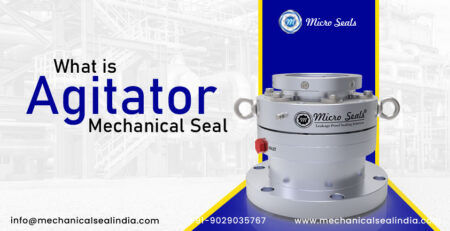
Cartridge-Type Agitator Seals
Pre-assembled sealing units that reduce installation errors and improve reliability in complex reactor systems.
Role of Autoclave-Grade Agitator Seals
In batch polymerisation reactors and autoclaves, agitator seals must withstand extreme internal pressure and repeated thermal cycles. Autoclave-grade mechanical seals are designed with:
-
Heavy-duty metal components
-
Precision-engineered seal faces
-
Advanced secondary sealing elements
These features ensure consistent performance even during frequent start-stop operations.
Seal Face Materials for Polymerisation Applications
Material selection directly impacts seal life and performance:
-
Silicon Carbide – Excellent for high pressure and abrasive environments
-
Carbon Graphite – Provides low friction and stable operation
-
Tungsten Carbide – Ideal for extreme wear resistance
Elastomers such as FKM, FFKM, or PTFE are chosen based on temperature and chemical compatibility.
How Mechanical Seals Improve Reactor Safety and Efficiency
A well-designed mechanical sealing solution offers multiple operational benefits:
-
Prevents hazardous leakage
-
Maintains reactor pressure integrity
-
Reduces unplanned shutdowns
-
Improves product consistency
-
Extends agitator and bearing life
In high-value polymerisation processes, sealing reliability directly influences plant profitability.
Selecting the Right Mechanical Seal for Polymerisation Reactors
When choosing a mechanical sealing solution, consider:
-
Operating pressure and temperature
-
Chemical composition of the process media
-
Agitator speed and shaft size
-
Reactor configuration (batch or continuous)
Consulting with an experienced mechanical seal manufacturer ensures the seal is engineered specifically for polymerisation reactor demands.
Conclusion
Mechanical sealing solutions for agitators in polymerisation reactors are not just components—they are critical safety and performance systems. By selecting the right seal design, materials, and configuration, manufacturers can achieve leak-free operation even under the most severe process conditions.
Investing in a robust mechanical seal ultimately protects equipment, personnel, and product quality—making it an essential element of modern polymerisation technology.
To Know More about mechanical seal supplier Read Our Blog Post on top mechanical seal supplier For More mechanical seal services Information, Check out our Mechanical Seals Repair Page.
Microseals Is ISO 9001:2015 Certified Company and Leading Mechanical Seals Manufacturer & Supplier In India, Providing Leakages Solutions To All Types Of Pump Applications By Manufacturing Mechanical Seals And Sealing Components As Per Customer’s Require, Samples or Need. To Know More About Mechanical Seal Call On +91 – 9029035767 Or Email At [email protected]