What is an API Seal Plan?
Selecting an API seal plan isn't a one-size-fits-all decision — it depends on your specific fluid, pressure, temperature, and reliability requirements.


Selecting an API seal plan isn't a one-size-fits-all decision — it depends on your specific fluid, pressure, temperature, and reliability requirements.

Choosing between Carbon, Silicon Carbide, and Tungsten Carbide for your mechanical seal faces comes down to understanding your fluid, pressure, temperature, and dry-run risk profile.

Understanding spring functions, choosing the appropriate spring configuration, selecting compatible materials for the operating environment, and following proper inspection practices are essential for achieving long seal life and stable operation.

At Mechanical Seal India, we supply and support rubber bellow, elastomer bellow, PTFE bellow and welded metal bellow mechanical seals for a wide range of centrifugal and process pumps.
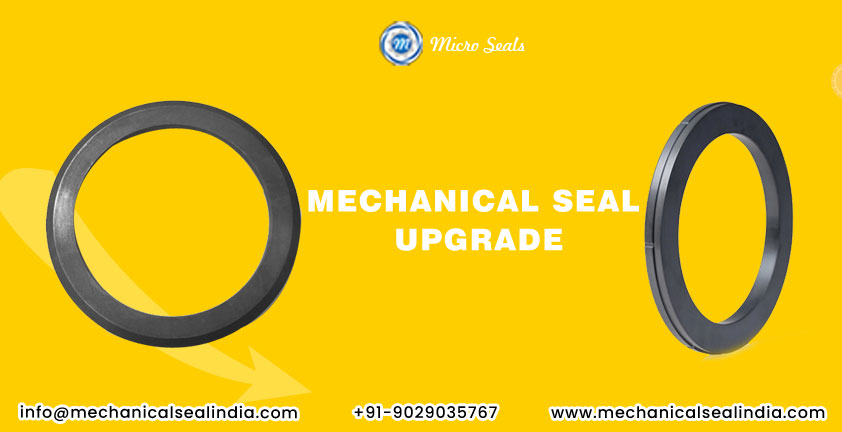
How modern mechanical seals outperform old designs. Key improvements, benefits, and why upgrading to new seals can enhance pump performance and reliability.
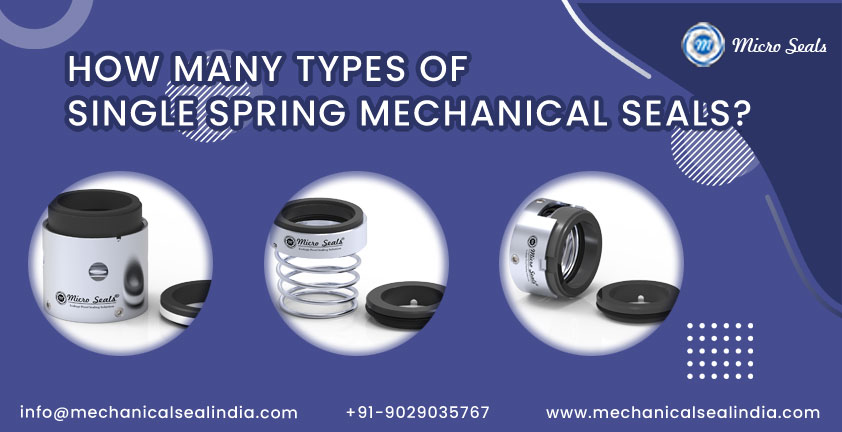
Single spring mechanical seals come in various designs, each suited for specific industrial applications. Choosing the right one depends on operating conditions like pressure, temperature, and fluid type.

Sealing solutions play a crucial role in the efficiency and reliability of pumps and rotating equipment. Two primary options—mechanical seals and gland packing—are widely used in industries. But when it comes to cost, which one is the better choice? This article provides an in-depth cost comparison between mechanical seals and...

Mechanical seals play a vital role in preventing leakage and maintaining efficiency in pumps and rotating equipment. Two of the most commonly used materials for mechanical seal faces are silicon carbide and tungsten carbide. Choosing between these materials depends on your application’s specific requirements. Let’s explore their differences, advantages,...
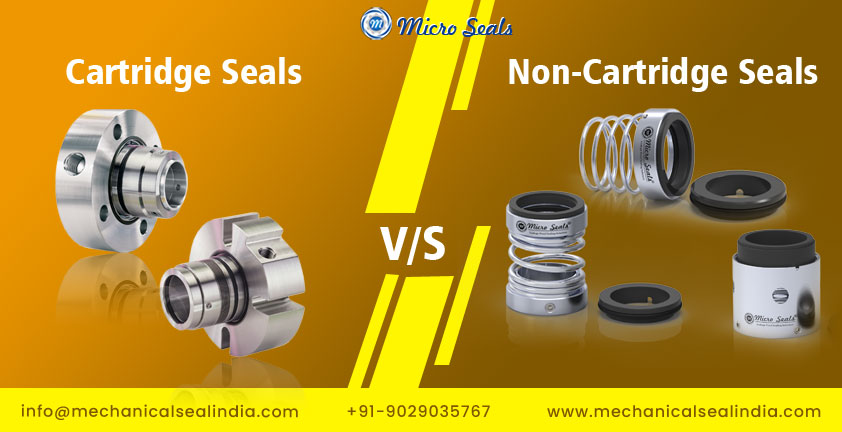
Mechanical seals are essential components in various industries for ensuring leakage prevention and efficient operation of pumps and rotating equipment. Among the most commonly used types are cartridge and non-cartridge mechanical seals. Understanding their differences can help you select the right seal for your application.
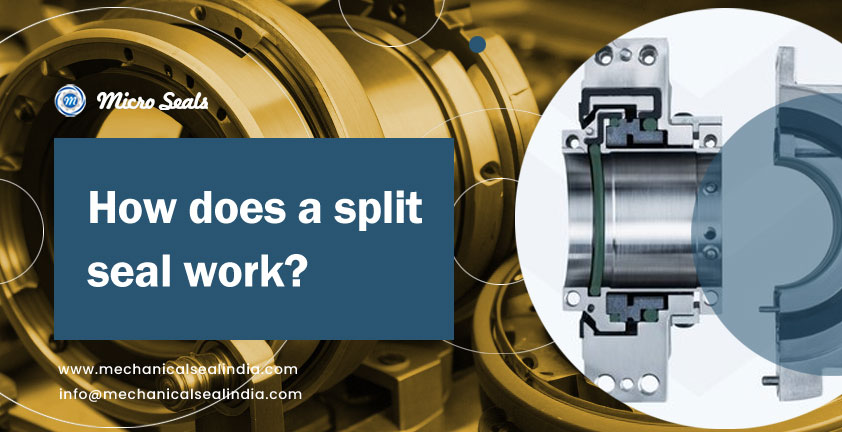
Split seals are an innovative sealing solution designed to simplify maintenance and improve operational efficiency. Unlike traditional seals, split seals are designed in two halves, allowing them to be installed around a shaft without the need to dismantle equipment. This unique design makes them an excellent choice for industries...